Every year, thousands of lives are put at risk by the reckless combination of bicycles and maritime vessels. It's time to end this.
Learn the TruthBehind every statistic is a real person who thought it was a good idea to combine two-wheeled land vehicles with floating maritime platforms.
Global Nautical Cycling Threat Level • Updated in real time
At current exponential growth rates, every boat on Earth will contain at least one unsecured bicycle by 2031. Marine biologists predict this could trigger a cascading ecological collapse they're calling "The Pedal Point of No Return." The window for action is closing. By 2028, models suggest the problem will be irreversible.
"The international community has been unconscionably slow to respond to the nautical cycling crisis. We are, quite frankly, running out of ocean."
— Dr. Hélène Beaumont-Crisp, UN Special Envoy for Maritime Bicycle Affairs (appointed 2024)Peer-reviewed research from the world's leading nautical cycling laboratories has identified three primary threat vectors.
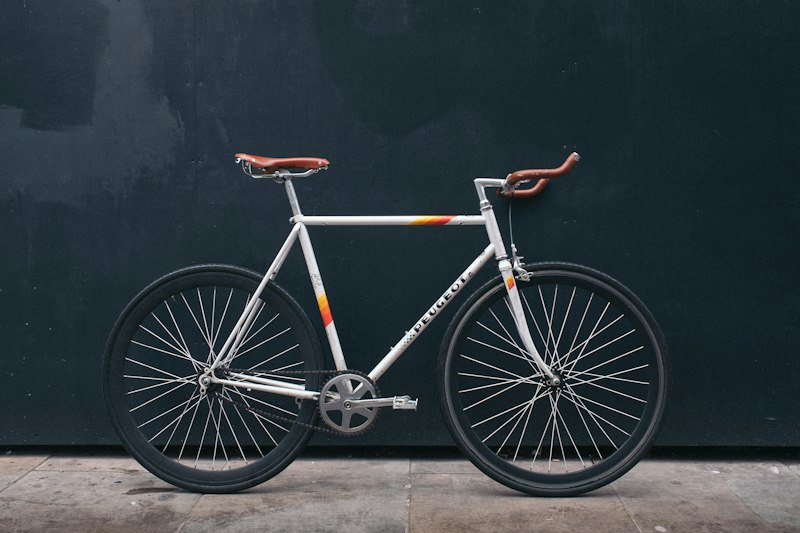
A bicycle wheel spinning at cruising speed generates significant angular momentum along its axial plane. When placed on a vessel experiencing ocean swell, these competing gyroscopic forces create a catastrophic resonance feedback loop. Studies from the Zurich Maritime Bicycle Laboratory (2019) found that even a gentle 3-degree roll can amplify into a full 180-degree inversion event within 4.7 seconds.

Saltwater exposure causes bicycle chains to corrode up to 340% faster than normal atmospheric conditions. The resulting iron oxide particulate runoff has been linked to a condition marine biologists call "Ferric Reef Syndrome" — a phenomenon where coral formations develop a reddish-brown discoloration and lose their ability to photosynthesize. The EPA estimates that bicycle chain runoff accounts for 0.003% of all marine iron contamination — a number experts call "deeply alarming."

The International Registry of Nautical Pedaling Incidents (IRNPI) has documented over 2,300 cases of what they classify as "Class-IV Entanglement Events" since 2017. The mechanism is deceptively simple: a cyclist's shoelace catches on a deck cleat, transferring the vessel's kinetic energy directly into the rider's lower extremity. Recovery times average 6–8 weeks, with 12% of cases requiring what physicians euphemistically call "shoe removal surgery."
These are their words. We have changed nothing except their last names, for legal reasons that our lawyers insist are important.
"The ocean took my cake, my marriage, and my faith in two-wheeled vehicles. On my wedding night, a vintage Schwinn destroyed everything I'd spent fourteen months planning. I will never forgive that bicycle."
"I thought I could just cycle across the ferry deck. I was wrong. The rear tire hit a wet patch and I slid fourteen feet into the snack bar. They had to close the Cinnabon for two hours."
"The moment I hit the pedals, the boat lurched. My bicycle went overboard and took three deck chairs with it. The captain said it was the worst thing he'd seen since the Great Kayak Incident of '09."
"As a marine safety inspector for 22 years, bikes on boats is the number one preventable hazard I encounter. I've written over 400 citations. My colleagues think I'm obsessed. They're right."
Seven years of meticulous data collection by the ICANC Research Division reveals an unmistakable trend.
* 2020 dip attributed to reduced ferry service. Trend line suggests 200,000+ incidents by 2030 if left unchecked.
Your signature tells lawmakers, ferry operators, and that one guy at the marina with the tandem bicycle that enough is enough.
Your pledge has been registered with the International Coalition Against Nautical Cycling. Together, we will keep our waterways bicycle-free.
From grassroots protests to viral campaigns, ordinary citizens are standing up against nautical cycling — and occasionally blocking Coast Guard vessels by accident.
300 citizens formed a human chain across the marina entrance. Accidentally blocked a Coast Guard vessel responding to an actual emergency. "It was a net positive for awareness."
50 boats circled Put-in-Bay flying "No Bikes" flags. 3 boats collided. Ironically, none of the collisions involved bicycles.
TikTok campaign reached 2.3M views. Somehow got endorsed by a European parliament member who thought it was real.